
Vein Health Guides · Exercise
Exercises for Varicose Veins and Healthy Leg Veins
Quick answer: The best exercises for varicose veins are those that work your calf muscles, which act as a pump pushing blood back to the heart. Daily brisk walking, ankle pumps, calf raises, cycling and swimming all help. Exercise eases heaviness and swelling and may slow progression, but it cannot repair leaking valves that are already damaged.
Key facts at a glance
- Calf muscle pump: each step squeezes the deep leg veins and pushes blood upward; it is sometimes called the "second heart".
- Best everyday exercise: walking at a moderate pace, every day.
- Desk-friendly moves: ankle pumps and ankle circles, anywhere, any time.
- Low-impact options: cycling and swimming (water pressure also supports veins).
- Rest position: legs raised above heart level.
- Limit: exercise relieves symptoms but does not fix valves that already leak.
Why does exercise help leg veins?
Blood in your legs has to travel uphill to reach the heart. Two systems make this possible: one-way valves inside the veins, and the calf muscle pump . When your calf muscles contract, they squeeze the deep veins and push blood upward; the valves stop it falling back.
LEDAS describes two mechanisms behind varicose veins : failing valves, and calf muscles that no longer pump effectively. You cannot exercise a valve, but you can strengthen and use the pump. That reduces pooling, eases heavy, tired legs and helps control ankle swelling .
Which exercises are best for varicose veins?
1. Walking
Walking at a moderate pace every day is the simplest and most effective habit. Aim for regular walks rather than occasional long ones. Break up long periods of sitting or standing with a few minutes of walking.
2. Ankle pumps
- Sit or lie with legs straight.
- Point your toes away from you, then pull them back toward your shin.
- Repeat 15–20 times, a few times a day.
You can do these at a desk, on a plane or in bed. LEDAS also recommends gentle ankle exercises after laser treatment.
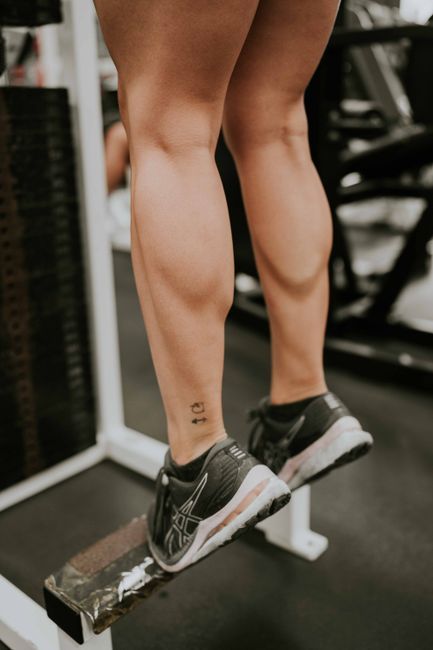
3. Calf raises
- Stand holding a chair or wall for balance.
- Rise slowly onto your toes, hold for a second, lower slowly.
- Start with 10–15 repetitions and build up.
4. Ankle circles
Lift one foot and draw slow circles with your toes, 10 each way, then switch feet.
5. Cycling
Stationary or outdoor cycling uses the calf repeatedly with low impact on joints.
6. Swimming and water walking
Water supports your weight and its pressure gently compresses the legs, so swimming and walking in a pool are excellent options.
7. Leg elevation
Not an exercise, but an important part of the routine. Lie down and raise your legs above heart level on pillows or against a wall for 10–15 minutes after activity or at the end of the day.
Are any exercises bad for varicose veins?
Most exercise is beneficial. A few points to keep in mind:
- Heavy lifting with breath-holding raises pressure in the abdomen and leg veins. If you lift weights, breathe out during effort and use moderate loads.
- Hot environments such as hot yoga, saunas or very hot baths widen veins and can increase swelling.
- Long static positions , such as holding a squat or standing still for long periods, reduce pump action.
Running is generally good for veins; see sports, running and your veins .
A simple daily vein routine
- Morning: 20 ankle pumps before getting out of bed.
- During work: stand and walk for a few minutes every hour; ankle circles while seated.
- Daily: a brisk walk.
- Evening: 2 sets of calf raises, then 10–15 minutes with legs raised.
If you sit at a desk all day, see leg health for office workers .
Can exercise get rid of varicose veins?
No. Exercise improves circulation and symptoms, and may slow progression, but varicose veins are a chronic, progressive condition that does not go away by itself. If you have bulging veins, swelling, skin darkening or persistent aching, a duplex ultrasound will show whether treatment is needed. See can varicose veins go away on their own .
Exercise after vein treatment
After treatment at LEDAS you walk the same day. Light walking for 2–4 weeks is encouraged, along with ankle exercises. When to resume more intense exercise depends on your treatment; see when can I exercise again .
Stop exercising and seek emergency care if you develop sudden one-leg swelling and pain, chest pain or breathlessness.
Vein-friendly exercises at a glance
| Exercise | How it helps | Where / when |
|---|---|---|
| Brisk walking | Repeated calf pump action | Daily, outdoors or treadmill |
| Ankle pumps | Activates calf without standing | Desk, plane, bed |
| Calf raises | Strengthens the calf pump | At home, holding support |
| Cycling | Rhythmic, low-impact calf work | Bike or stationary cycle |
| Swimming / water walking | Calf work plus water pressure | Pool |
| Leg elevation | Gravity drains pooled blood | After activity, evenings |
Exercise for leg veins – frequently asked questions
How much walking is good for varicose veins?
Walking at a moderate pace every day is the goal. Regular movement matters more than distance, so short walks spread through the day, especially breaking up long sitting or standing, are very effective. Build up gradually if you are not used to exercise.
Is yoga good for varicose veins?
Gentle yoga can help, especially poses that raise the legs, such as lying with legs up a wall. Avoid hot yoga rooms, which widen veins, and long static standing poses if they cause aching. Combine yoga with walking for calf pump work.
Should I wear compression stockings when exercising?
Many people find stockings reduce heaviness during exercise, particularly walking or standing activities. Wear them if they were recommended for you and they are comfortable. They are supportive, not a cure. See medical compression stockings.
Can strength training make varicose veins worse?
Moderate strength training is generally fine and builds the calf pump. Very heavy lifts with breath-holding briefly raise pressure in leg veins. Use moderate weights, breathe out during effort and include walking or cycling in your routine.
About this page
Clinical information:
LEDAS Varicose Vein Clinic, led by
Dr. Kim Byoung Joon , thoracic and cardiovascular surgeon, founding member of the Korean Society for Phlebology.
Medical reviewer:
Dr. Kim Byoung Joon ·
Review status:
Pending ·
Last updated:
October 2026
This page is general information and not a diagnosis. Treatment is decided only after an in-person examination. Read our
editorial policy .
Related: Prevention tips · Sports & veins · Office workers · Diet & vein health · Exercise after treatment
Still aching despite exercise? Check your veins
English consultation available · +82-70-4895-5086 · kbjledaspm@gmail.com
