
Vein Health Guides · Sport
Running, Sports and Varicose Veins
Quick answer: Running does not cause varicose veins and is generally good for leg veins, because every stride works the calf muscle pump. If you already have varicose veins, you can usually keep running; graduated compression socks may ease heaviness. Very heavy lifting with breath-holding and long hot-tub sessions are worth moderating. After treatment, return gradually as your doctor advises.
Key facts at a glance
- Running: works the calf pump; not a cause of varicose veins.
- Visible veins in athletes: lean, muscular legs often show healthy veins that are not varicose.
- Vein-friendly sports: running, walking, cycling, swimming, rowing, cross-country skiing.
- Take care with: maximal lifts with breath-holding, long static stances, hot tubs after training.
- Compression: graduated compression socks may reduce heaviness during or after exercise.
- After LEDAS treatment: walking the same day; light walking for 2–4 weeks; more intense sport when the doctor advises.
Does running cause varicose veins?
No. Varicose veins are caused mainly by inherited weakness of vein walls and valves, plus factors such as pregnancy, age, weight and long periods of inactivity. Running is the opposite of inactivity: every stride contracts the calf, squeezing the deep veins and pushing blood toward the heart.
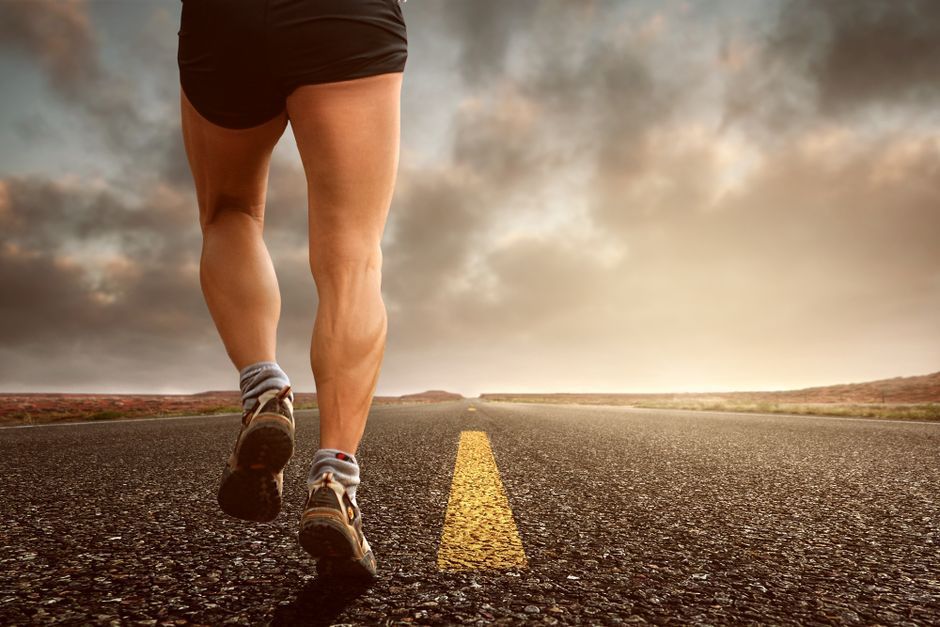
Runners sometimes worry when they notice prominent veins on their legs. In lean, muscular people, healthy veins sit closer to the skin and swell during exercise because more blood flows through the legs. These usually flatten again at rest. Varicose veins, by contrast, stay twisted and bulging and often come with heaviness or ankle swelling.
Which sports are best for leg veins?
- Running and jogging – strong, rhythmic calf work.
- Walking and hiking – the simplest daily option.
- Cycling – low impact, repeated calf contraction.
- Swimming – water pressure supports veins and the horizontal position helps drainage.
- Rowing and cross-country skiing – full-body rhythmic movement.
- Dancing – plenty of calf work, ideally in supportive, low-heeled shoes.
See exercises for healthy leg veins for a home routine.
Are there sports to be careful with?
Heavy weightlifting
Maximal lifts with breath-holding (the Valsalva manoeuvre) briefly raise pressure in the abdomen and leg veins. Strength training itself is fine and builds the calf pump; use moderate loads, breathe out during effort and mix in cardio.
Long static positions
Activities that keep you standing still, such as long periods on a golf range or in certain yoga holds, reduce pump action. Keep moving between efforts.
Contact and impact sports
A direct knock to a large varicose vein can cause bruising or, rarely, bleeding or a painful clotted vein. Shin guards help in football.
Heat after training
Saunas, hot tubs and long hot showers after exercise widen veins. A cool rinse on the legs is kinder to veins.
Can I keep running if I have varicose veins?
Usually, yes, and staying active is encouraged. Tips:
- Wear graduated compression socks if your legs feel heavy.
- Raise your legs for 10–15 minutes after a run.
- Stay hydrated.
- Cool down by walking rather than stopping abruptly.
See a doctor if running brings on pain along a vein, if a vein becomes hard, red and tender, or if one leg swells. Calf pain that comes on during exercise and eases with rest may come from the arteries and needs assessment.
Returning to sport after vein treatment
Treatment at LEDAS uses local anesthesia and no incisions, so you walk immediately after. Light walking for 2–4 weeks is part of recovery, along with gentle ankle exercises. A pulling feeling along a laser-treated vein for 1–2 weeks is normal.
When you can return to running, the gym or competitive sport depends on the veins treated and your check-up. Read when can I exercise again and the recovery timeline .
When is it an emergency?
Sudden swelling, pain and warmth in one calf, especially after a long trip to a race or after treatment, can be a deep vein thrombosis . Chest pain or sudden breathlessness needs emergency services immediately.
Sports and your veins
| Activity | Effect on veins | Tip |
|---|---|---|
| Running / jogging | Strong calf pump action | Compression socks if legs feel heavy |
| Cycling | Rhythmic, low impact | Set saddle height so ankles move fully |
| Swimming | Water pressure plus calf work | Excellent for swollen legs |
| Weightlifting | Builds calf; heavy breath-holding raises pressure | Moderate loads, breathe out on effort |
| Football / contact sports | Risk of knocks to veins | Wear shin guards |
| Hot yoga / sauna after sport | Heat widens veins | Keep short; cool rinse on legs |
Running and veins – frequently asked questions
Why do my leg veins bulge after running?
During exercise, more blood flows to working muscles and veins widen to carry it back. In lean legs this makes healthy veins stand out. They usually settle within an hour of rest. Veins that stay twisted and bulging, or come with heaviness and swelling, deserve a check.
Do compression socks help runners with varicose veins?
Many runners with varicose veins find graduated compression socks reduce heaviness and swelling during and after runs. They support veins but do not repair valves. Choose a proper medical-grade graduated sock in the correct size.
Can marathon running damage veins?
There is no good evidence that marathon running causes varicose veins. Long travel to races and dehydration can raise clot risk, so move during journeys and drink well. Seek care for one-leg swelling or chest pain after a race.
How soon can I run after EVLT?
You walk the same day after EVLT at LEDAS, and light walking for 2–4 weeks is encouraged. When to resume running depends on your treatment and check-up; your doctor will advise. See can I walk after treatment.
About this page
Clinical information:
LEDAS Varicose Vein Clinic, led by
Dr. Kim Byoung Joon , thoracic and cardiovascular surgeon, founding member of the Korean Society for Phlebology.
Medical reviewer:
Dr. Kim Byoung Joon ·
Review status:
Pending ·
Last updated:
October 2026
This page is general information and not a diagnosis. Treatment is decided only after an in-person examination. Read our
editorial policy .
Related: When can I exercise? · Exercises · Varicose veins in men · Young adults · Stocking guide
Keep moving – and get bulging veins checked
English consultation available · +82-70-4895-5086 · kbjledaspm@gmail.com
