
Conditions · Symptoms
Heavy, Tired, Aching Legs and Varicose Veins
Quick answer: Legs that feel heavy, tired or achy and get worse as the day goes on are one of the most common signs of venous reflux, where faulty valves let blood pool in the legs. It can happen even when no bulging veins are visible. Walking and raising your legs bring short-term relief; a duplex ultrasound shows whether reflux is the cause.
Key facts at a glance
- What patients describe: heaviness, fatigue, a dull ache, or calves that feel like they are "bursting".
- Classic timing: mild in the morning, worse by evening or after long standing or sitting.
- Cause in vein disease: blood pooling from venous reflux and a weakened calf muscle pump.
- Invisible signs: LEDAS stresses that many vein symptoms occur with no visible veins.
- Self-check clue: legs that feel heavy and tire even after 10 minutes of walking are one of the 13 LEDAS self-check items.
- Relief: walking, leg elevation and medical compression stockings; lasting relief comes from treating confirmed reflux.
Why do my legs feel so heavy?
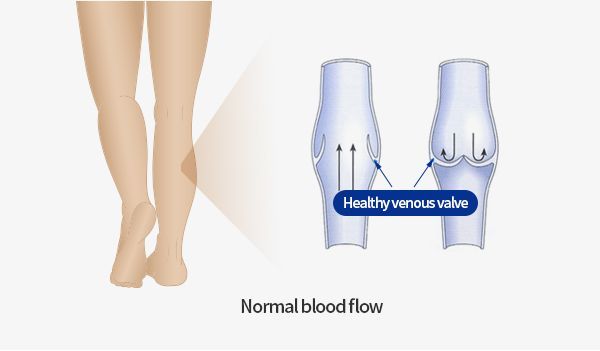
Heaviness is a feeling of congestion. In healthy legs, valves inside the veins act like one-way doors and the calf muscles pump blood up toward the heart with every step. In varicose vein disease , two things go wrong, often together:
- Valve failure: damaged valves let blood fall back down the leg (reflux).
- Weak calf pump: long sitting, standing still, ageing or lack of exercise mean the muscles do not push blood upward effectively.
Blood that should leave the leg stays there. Pressure in the veins rises, the vein walls stretch, and fluid seeps into the tissues. The result is the dull, dragging, "full" feeling that patients describe as heavy or tired legs. The longer you stay upright, the more blood pools, which is why the feeling builds through the day.
Is it my veins or just being tired?
Everyone's legs feel tired after a long day. Vein-related heaviness tends to have a pattern:
- It is worse in the evening and better in the morning.
- It improves when you lie down and raise your legs.
- It gets worse in hot weather, after saunas, or after long flights.
- It comes with other signs: ankle swelling , itching, night cramps , or small visible veins.
- It is often present in parents or siblings too.
Pain that comes on while walking and stops within minutes of resting is different. That pattern can point to narrowed arteries rather than veins and should be checked by a doctor.
Can I have vein disease without visible varicose veins?
Yes. This is one of the most important messages LEDAS shares with patients. The main veins that cause varicose veins, the great and small saphenous veins, run under the skin and fat. They can leak for years before any branch bulges at the surface. During that time, heaviness and fatigue may be the only clues.
The LEDAS self-check checklist lists 13 symptoms, including legs that feel heavy and tire quickly even after 10 minutes of walking. If three or more apply to you, an ultrasound is worthwhile.
Who tends to get heavy legs?
- People with a family history of varicose veins (see are varicose veins hereditary? )
- People who stand or sit for long hours at work; see standing jobs
- Pregnant women and women taking hormones
- People who are overweight or physically inactive
- Older adults, as veins lose elasticity and muscles weaken
How does LEDAS find the cause?
You will have a short consultation, then a duplex ultrasound on Philips EPIQ Elite equipment, taken while you stand so gravity reveals any backward flow. The scan maps which veins leak and how far. It takes about 15–20 minutes, and Dr. Kim Byoung Joon explains the images on screen as he goes. The first visit, including consultation and ultrasound, costs 180,000 KRW.
What helps heavy legs?
Daily habits
- Walk at a moderate pace every day
- Rise onto your toes 10–20 times every hour if you stand or sit for long
- Raise your legs above heart level for 15–20 minutes in the evening
- Choose lower-salt, lower-calorie meals and avoid very hot baths and saunas
Compression
Medical compression stockings apply the strongest pressure at the ankle, helping blood move up. Many people feel lighter legs within days, though stockings do not repair the valves.
Treatment of the source
If reflux is confirmed, LEDAS treats it with EVLT and ultrasound-guided sclerotherapy, under local anesthesia, with no incision and same-day discharge.
Options for heavy legs: what each one does
| Option | How it helps | Limits |
|---|---|---|
| Walking and calf exercise | Activates the calf pump and moves blood upward | Does not repair faulty valves |
| Leg elevation | Uses gravity to drain pooled blood | Relief lasts only while resting |
| Medical compression stockings | Graduated pressure reduces pooling during the day | Supportive; symptoms return when removed |
| EVLT laser | Closes the main refluxing saphenous vein | Needs ultrasound-confirmed reflux |
| Ultrasound-guided sclerotherapy | Closes hidden and branch veins | May need more than one session |
Heavy, tired legs – frequently asked questions
Why do my legs feel heavy at the end of the day?
Gravity pulls blood toward your feet all day. If vein valves are weak, more blood pools in your legs the longer you stay upright, raising pressure and causing a heavy, full feeling. That is why vein-related heaviness peaks in the evening and eases overnight.
Can heavy legs be the first sign of varicose veins?
Yes. Heaviness and fatigue often appear years before any vein bulges at the surface, because the main refluxing veins lie under the skin. An ultrasound can find this hidden reflux early, when it is usually simpler to manage.
Will treatment make my legs feel lighter?
If heaviness is caused by reflux, closing the faulty veins usually reduces the pooling that creates it. Many patients notice lighter legs as recovery progresses over the following weeks. If other causes are involved, improvement may be partial, and your doctor will discuss this honestly.
Is exercise good or bad for heavy legs?
Regular walking, cycling and swimming are good, because they work the calf pump. Long periods of standing still, or very heavy straining, can worsen pooling. See exercises for healthy leg veins for simple routines.
About this page
Clinical information:
LEDAS Varicose Vein Clinic, led by
Dr. Kim Byoung Joon , thoracic and cardiovascular surgeon, founding member of the Korean Society for Phlebology.
Medical reviewer:
Dr. Kim Byoung Joon ·
Review status:
Pending ·
Last updated:
October 2026
This page is general information and not a diagnosis. Treatment is decided only after an in-person examination. Read our
editorial policy .
Related: Leg and ankle swelling · Night leg cramps · Why do varicose veins hurt? · Leg health for office workers · Self-check checklist
Tired of heavy legs? Get a clear answer with ultrasound
English consultation available · +82-70-4895-5086 · kbjledaspm@gmail.com
