
Conditions · Symptoms
Leg and Ankle Swelling from Varicose Veins (Venous Edema)
Quick answer: Swelling that starts at the ankles, gets worse through the day and improves overnight or when you raise your legs is often venous edema. It happens when faulty vein valves let blood pool and fluid leak into the tissues. A duplex ultrasound can show whether vein reflux is the cause, as heart, kidney and other problems can also swell legs.
Key facts at a glance
- Venous edema: swelling caused by high pressure in the leg veins pushing fluid into surrounding tissue.
- Typical pattern: ankles and feet first, worse in the evening, better in the morning.
- Stage: swelling is stage 3 of the 6-stage progression of varicose vein disease described by LEDAS.
- Can happen without visible veins: reflux in deeper surface veins may cause swelling before any bulging veins appear.
- Red flag: sudden, painful swelling of one leg may be a DVT and needs same-day care.
- Test: duplex ultrasound of the leg veins, about 15–20 minutes at LEDAS.
Why do varicose veins make your legs swell?
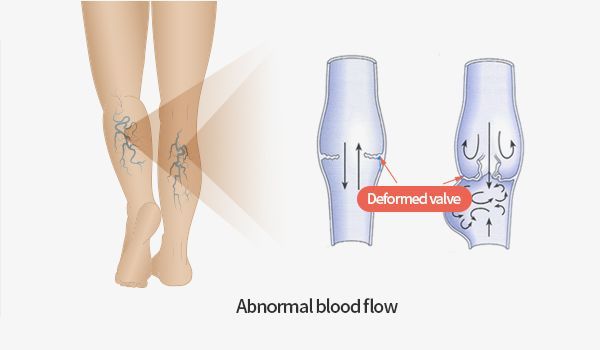
Blood has to climb roughly a metre from your feet to your heart. Two things make that possible: one-way valves inside the veins, and the calf muscles, which squeeze the veins every time you walk. This is often called the calf muscle pump .
When valves weaken, blood falls back down the leg instead of moving up. This is venous reflux . The veins near the ankle then sit under constant high pressure. The smallest vessels respond by leaking fluid into the surrounding tissue, and the ankle swells. Gravity makes it worse the longer you stand or sit, which is why swelling builds through the day.
What does venous swelling feel and look like?
- Puffiness around the ankles and top of the feet, often with sock marks in the evening
- Shoes feeling tight by late afternoon
- A dent that stays for a few seconds when you press the skin (pitting)
- Heaviness, aching or a "bursting" feeling in the calves
- Improvement overnight or after raising your legs above heart level
- Often worse in hot weather, after saunas or long flights
Swelling may be in one leg or both. Many people also notice heavy, tired legs or night cramps at the same time.
What else can cause leg swelling?
Venous disease is a common cause, but not the only one. A good assessment considers:
- Heart failure – usually both legs, often with breathlessness
- Kidney or liver disease – swelling may also affect the face or abdomen
- Medicines – some blood pressure tablets and other drugs cause ankle swelling
- Lymphedema – a problem with lymph drainage, often including the toes
- Thyroid problems, pregnancy and long travel
- Deep vein thrombosis – sudden, usually one-sided, often painful
Seek same-day medical care if one leg suddenly swells and hurts, or the leg is hot and red. Call 119 in Korea (or your local emergency number) if swelling comes with chest pain or breathlessness. Read more about DVT and varicose veins .
How is the cause of swelling found at LEDAS?
At your first visit , Dr. Kim Byoung Joon asks when the swelling started, what makes it better or worse, and about your health and medicines. Then comes a duplex ultrasound on Philips EPIQ Elite equipment. You stand on an examination table designed by LEDAS for standing-position scans, because reflux shows most clearly when gravity is acting on the veins. The exam takes about 15–20 minutes, and results are explained on screen in real time.
If the scan shows no significant reflux, we will tell you that and suggest which kind of doctor to see next.
How is venous swelling treated?
Relief you can start today
- Walk at a moderate pace every day to activate the calf pump
- Raise your legs above heart level when resting
- Avoid long periods in one position and very hot baths or saunas
- Reduce salty, high-calorie food
- Wear medical compression stockings , which apply the most pressure at the ankle
Treating the cause
Stockings ease swelling but do not repair the valves. If reflux is confirmed, LEDAS closes the faulty veins with EVLT and ultrasound-guided sclerotherapy under local anesthesia, with no incision and same-day discharge. Blood is then routed through healthy veins, which usually reduces the pressure that drives swelling.
Clues to the cause of leg swelling
| Possible cause | Typical pattern | Next step |
|---|---|---|
| Venous reflux / varicose veins | Ankles first, worse by evening, better overnight | Vein duplex ultrasound |
| Deep vein thrombosis | Sudden, one leg, painful, warm | Same-day urgent care |
| Heart failure | Both legs, with breathlessness or fatigue | General doctor or cardiologist |
| Medicine side effect | Started after a new tablet | Review with prescribing doctor |
| Lymphedema | Firm swelling, often includes toes | Lymphatic assessment |
Leg swelling and veins – frequently asked questions
Can I have vein-related swelling without visible varicose veins?
Yes. Reflux can affect the great or small saphenous veins, which run deeper under the skin, before any bulging veins appear. Swelling, heaviness and night cramps may be the only signs. A duplex ultrasound is the only reliable way to see whether hidden reflux is present.
Why are my ankles more swollen in summer?
Heat makes veins widen, so more blood pools in the legs and more fluid leaks into tissue. Saunas and hot baths have the same effect. Cooling your legs, walking regularly and raising them in the evening usually help. Persistent swelling still deserves a check.
Will swelling go away after varicose vein treatment?
If reflux is the main cause, swelling usually improves once the faulty veins are closed and blood flows through healthy veins instead. Improvement is gradual. If other causes, such as medicines or heart problems, also contribute, some swelling may remain and those causes need their own care.
Should I wear compression stockings for swollen ankles?
They often help, but check first. Compression is not suitable for everyone, for example people with poor arterial circulation. A doctor can confirm it is safe and recommend the right type. See compression stockings vs treatment.
About this page
Clinical information:
LEDAS Varicose Vein Clinic, led by
Dr. Kim Byoung Joon , thoracic and cardiovascular surgeon, founding member of the Korean Society for Phlebology.
Medical reviewer:
Dr. Kim Byoung Joon ·
Review status:
Pending ·
Last updated:
October 2026
This page is general information and not a diagnosis. Treatment is decided only after an in-person examination. Read our
editorial policy .
Related: Heavy, tired legs · Night leg cramps · Varicose vein symptoms · Chronic venous insufficiency · Skin darkening
Find out what is behind your swollen ankles
English consultation available · +82-70-4895-5086 · kbjledaspm@gmail.com
