
Vein Health Guides · Nutrition
Foods for Varicose Veins: Diet and Vein Health
Quick answer: No food or supplement cures varicose veins, but your diet can ease the strain on your leg veins. Eat plenty of fiber (vegetables, fruit, whole grains, beans) to avoid constipation, cut back on salt to reduce swelling, drink enough water and keep a healthy weight. High-fat, salty, high-calorie food and heavy alcohol make venous circulation worse.
Key facts at a glance
- Fiber: prevents straining from constipation, which raises pressure in leg veins.
- Salt: high sodium makes the body hold water, worsening ankle swelling.
- Weight: extra body weight increases leg load and venous pressure.
- Flavonoids: plant compounds in berries, citrus, onions and buckwheat; some vein medicines are based on them.
- Fluids: enough water supports circulation; heavy alcohol widens veins.
- Limit: diet supports vein health but cannot close leaking valves.
Can what you eat affect your veins?
Indirectly, yes. Varicose veins are caused mainly by weak vein walls and failing valves, often inherited. Food cannot change that. But several diet-related factors raise the pressure in your leg veins or make symptoms worse:
- Excess weight increases the load on leg veins. See weight, obesity and varicose veins .
- Constipation leads to straining, which raises pressure in the abdomen and the veins below it.
- High salt intake makes the body retain fluid, so ankles swell more.
- Alcohol widens blood vessels and, in excess, promotes fluid retention.
LEDAS lists high-fat or high-salt food, alcohol and smoking among the lifestyle habits that disrupt venous circulation.
Which foods are good for varicose veins?
High-fiber foods
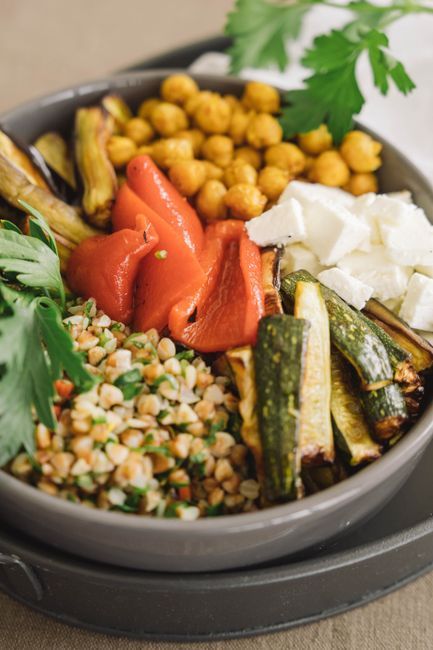
Fiber keeps bowel movements regular and reduces straining. Good sources include:
- Vegetables and leafy greens.
- Fruit, especially with the skin on.
- Whole grains: brown rice, barley, oats, whole-wheat bread.
- Beans, lentils and other legumes.
- Seeds such as flax and chia.
Foods rich in flavonoids
Flavonoids are natural plant compounds studied for their effects on blood vessel walls. Some vein medicines are made from purified flavonoids. Food sources include berries, citrus fruit, onions, apples, buckwheat, green tea and dark leafy greens. These are healthy foods to include, but there is no evidence that eating them will shrink existing varicose veins.
Potassium-rich foods
Potassium helps balance sodium and fluid. Sources include bananas, sweet potatoes, spinach, beans and avocados. If you have kidney disease or take certain heart medicines, ask your doctor before increasing potassium.
Water
Drinking enough water supports healthy circulation and helps fiber work. Needs vary, so be guided by thirst and your doctor if you have heart or kidney conditions.
Which foods should you limit?
- Salty food: instant noodles, processed meats, pickled foods, salty soups and snacks.
- High-calorie, high-fat food: fried food and fast food contribute to weight gain.
- Refined carbohydrates: white bread, sugary drinks and pastries are low in fiber.
- Heavy alcohol: widens veins and adds calories.
In Korean cuisine, soups and stews can be high in sodium. Eating more of the vegetables and less of the broth is a simple swap.
Do supplements help varicose veins?
Supplements such as horse chestnut extract or flavonoid preparations are widely sold for vein symptoms. Some may ease heaviness or swelling for some people, but none repair valves or remove varicose veins. They can also interact with medicines, including blood thinners . Talk to a doctor before taking them, and mention them before any vein treatment.
Putting diet together with other habits
Diet works best alongside daily walking, leg elevation and, where advised, compression stockings . See exercises for healthy leg veins and how to prevent varicose veins .
When diet is not enough
If you have bulging veins, ankle swelling, skin darkening or legs that ache by evening, diet changes alone will not fix the cause. A duplex ultrasound shows whether there is reflux that needs treatment.
Vein-friendly food swaps
| Instead of | Try | Why |
|---|---|---|
| White rice or bread | Brown rice, barley, whole-grain bread | More fiber, less straining |
| Instant noodles, salty soups | Home-cooked soups, less broth | Less sodium, less swelling |
| Processed meats | Beans, tofu, fish, eggs | Lower salt and fat |
| Sugary drinks | Water, unsweetened tea | Hydration without extra calories |
| Chips and fried snacks | Fruit, nuts, vegetables | Fiber, potassium, flavonoids |
| Several alcoholic drinks | Alcohol-free days | Less vein widening and fluid retention |
Diet and veins – frequently asked questions
Is there a food that shrinks varicose veins?
No. No food has been shown to shrink or remove varicose veins. A high-fiber, low-salt diet and a healthy weight reduce strain on your veins and may ease symptoms, but closing a leaking vein requires medical treatment such as laser or sclerotherapy.
Does coffee affect varicose veins?
Moderate coffee is not known to cause varicose veins. Keep intake moderate, drink water too, and pay attention to sugary coffee drinks, which add calories. If you take medicines or have heart conditions, follow your doctor's advice on caffeine.
Can losing weight improve varicose veins?
Losing excess weight reduces pressure on leg veins and often eases heaviness and swelling. It will not remove existing varicose veins, but it may slow progression and helps results after treatment. Combine sensible eating with daily walking.
Should I change my diet after vein treatment?
No special diet is needed after treatment at LEDAS. A balanced diet with fiber, enough water and limited salt and alcohol supports recovery and long-term vein health. Follow your aftercare instructions for walking and stockings.
About this page
Clinical information:
LEDAS Varicose Vein Clinic, led by
Dr. Kim Byoung Joon , thoracic and cardiovascular surgeon, founding member of the Korean Society for Phlebology.
Medical reviewer:
Dr. Kim Byoung Joon ·
Review status:
Pending ·
Last updated:
October 2026
This page is general information and not a diagnosis. Treatment is decided only after an in-person examination. Read our
editorial policy .
Related: Prevention tips · Exercises · Weight & veins · Leg swelling · Myths & facts
Healthy habits plus an accurate diagnosis
English consultation available · +82-70-4895-5086 · kbjledaspm@gmail.com
