
Varicose Vein FAQ · Sclerotherapy
How Many Sclerotherapy Sessions Do I Need?
Quick answer: Many people need one to three sclerotherapy sessions for a treated area, but the number depends on how many veins you have, how large they are and whether a deeper leak feeds them. Spider veins often fade over several weeks after each session. At LEDAS, the doctor sets your session plan after an ultrasound and rechecks after each round.
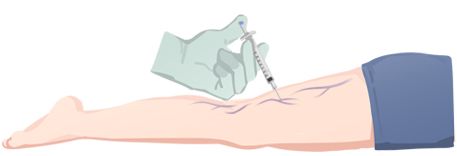
Key facts at a glance
- Sclerotherapy: an injection of a medicine (sclerosant) that irritates the vein lining so the vein closes and is slowly absorbed.
- Typical course: often one to three sessions per area; larger or more numerous veins may need more.
- Session length: the injections themselves take a few minutes; you walk out and resume daily activity straight away.
- Types at LEDAS: SCT for visible spider and reticular veins, and DGS/UGFS (ultrasound-guided foam) for hidden veins between muscles.
- Gap between sessions: usually a few weeks, so the treated veins can settle and be reassessed.
- Key factor: treating any underlying reflux first reduces the number of surface sessions needed.
Why isn't one session always enough?
Sclerotherapy works by injecting a medicine called a sclerosant into a vein. The medicine damages the inner lining, the vein walls stick together, and over the following weeks your body absorbs the closed vein. It is a gradual biological process, not an instant removal.
Several things mean one appointment may not finish the job:
- Number of veins: there is a safe limit to how much medicine can be used in one session, so a leg with many spider veins is usually treated in stages.
- Vein size: larger reticular or varicose veins sometimes need a second injection before they close completely.
- Healing time: the doctor needs to see how each vein has responded before deciding what to treat next.
- New veins: vein disease is chronic, so new small veins can appear over the years and may be treated later.
What affects how many sessions you need?
1. Whether there is hidden reflux
Spider veins and visible varicose veins are often fed by a leaking valve deeper in the leg. If that leak is left untreated, injecting surface veins is like mopping the floor while the tap is still running. This is why LEDAS starts with a duplex ultrasound exam . When reflux is found, it is usually closed first with EVLT , and surface sclerotherapy then needs fewer sessions.
2. The type of sclerotherapy
LEDAS uses two forms:
- SCT (sclerotherapy): liquid injected directly into visible spider and reticular veins on the skin.
- DGS / UGFS (duplex-guided or ultrasound-guided foam sclerotherapy): a foam form of the medicine injected under ultrasound into dilated veins hidden between muscles. Foam displaces blood and spreads along the vein, which suits larger vessels. See foam vs liquid sclerotherapy .
3. Your goals
If you want relief from aching and swelling, the plan focuses on the veins that drive symptoms. If you also want the surface to look clearer, extra sessions for fine spider veins may follow.
4. Aftercare
Wearing your compression stockings as advised and walking every day helps treated veins close and absorb, which can reduce the need for repeat injections.
How sessions are planned at LEDAS
Sclerotherapy at LEDAS is part of the LEDAS treatment system , which runs in three stages:
- Initial treatment: the source veins that cause the varicose veins, usually with laser.
- Intensive treatment: the smaller vessels, using DGS and SCT, with a re-examination after each session.
- Relapse prevention: follow-up ultrasound every 1–2 years, or whenever an overseas patient is in Korea, with further injections only if new reflux is found.
What should you expect between sessions?
After injection therapy, treated veins may look darker and feel firm for a while. This is a normal part of healing as the closed vein is absorbed. Some people notice brief chest heaviness or a dry cough shortly after foam injections; this usually passes quickly, but tell the nurse if it happens.
Walk lightly every day for the first 2–4 weeks and keep your check-up appointments. Read our aftercare instructions for the full list.
Seek urgent help if…
You develop sudden painful swelling of one leg, chest pain or breathlessness after any vein treatment. These can signal a blood clot and need emergency services straight away.
Can international patients finish in one trip?
Often the main treatment and a first round of sclerotherapy can be done during one stay in Busan. Fine spider veins may then be completed on a later visit. Your coordinator will help plan this; see how many days you need in Korea .
What tends to raise or lower the number of sessions
| Factor | Tends to need fewer sessions | Tends to need more sessions |
|---|---|---|
| Deeper reflux | None, or already treated with EVLT | Untreated leaking saphenous vein |
| Number of veins | A few small clusters | Widespread spider veins on both legs |
| Vein size | Fine spider veins | Larger reticular or varicose veins |
| Aftercare | Stockings worn, daily walking | Stockings skipped, long inactivity |
| Goal | Symptom relief | Symptom relief plus clearer skin surface |
Sclerotherapy sessions – frequently asked questions
How long does one sclerotherapy session take?
The injections themselves take only a few minutes. Your appointment is longer because it includes a check of your veins, preparation and a short period of walking afterwards. Most people return to normal daily activity the same day.
How long should I wait between sclerotherapy sessions?
Usually a few weeks. This gives treated veins time to close and begin absorbing so the doctor can judge what still needs treatment. Your exact interval is set by your doctor after re-examination. International patients may combine sessions within one stay when it is safe.
When will I see results after sclerotherapy?
Results appear gradually. Small spider veins often fade over several weeks; larger veins can take a few months to be fully absorbed. Treated veins may look darker or feel firm at first, which is a normal part of healing. See results: what to expect.
Will my spider veins come back after sclerotherapy?
Treated veins that close fully do not reopen in most cases, but vein disease is chronic and new spider veins can form over time. Treating any deeper reflux and keeping up follow-up scans reduces this. Read can varicose veins come back.
Is foam sclerotherapy done in fewer sessions than liquid?
Not necessarily. Foam is chosen for larger or hidden veins because it spreads along the vein and stays in contact with the wall longer. Liquid suits fine surface veins. The session count depends on your veins, not just on the form of medicine used.
About this page
Clinical information:
LEDAS Varicose Vein Clinic, led by
Dr. Kim Byoung Joon , thoracic and cardiovascular surgeon, founding member of the Korean Society for Phlebology.
Medical reviewer:
Dr. Kim Byoung Joon ·
Review status:
Pending ·
Last updated:
October 2026
This page is general information and not a diagnosis. Treatment is decided only after an in-person examination. Read our
editorial policy .
Related: Sclerotherapy · Foam sclerotherapy · Duplex-guided sclerotherapy · Spider veins · Sclerotherapy vs laser
Get a session plan based on your own ultrasound
English consultation available · +82-70-4895-5086 · kbjledaspm@gmail.com
